- Facial Recognition & Demographic Profiling
- Intrusion Detection & Perimeter Breach Alerts
- License Plate Recognition (LPR/ANPR)
- Crowd Monitoring & Behavior Analysis
- Loitering Detection & Anomaly Detection
- Emotion Detection (for retail or law enforcement)
- Cameras will come with built-in AI chips for faster, real-time analytics without needing cloud connectivity.
- Lower latency, enhanced privacy, and energy efficiency.
- Ultra-fast connectivity via 5G will enable seamless video streaming and instant alerts across large networks of devices.
- IoT sensors (motion, sound, temperature) will work in sync with cameras for holistic surveillance.
-
Surveillance systems will automatically adapt to new environments, learning from behavioral data without manual configuration.
-
AI will not only alert but also take actions—like locking doors, activating alarms, or notifying authorities automatically.
-
Advanced algorithms will balance surveillance with GDPR and other global privacy laws, using anonymization and encryption techniques.
- AI/ML Engineer (Surveillance Analytics)
- Computer Vision Developer
- Embedded Systems Engineer (Edge AI)
- CCTV Hardware/Software Developer
- Cloud Security Specialist
- Surveillance System Analyst
- Cybersecurity Expert (Video Data Protection)
- Threat Intelligence Analyst
- Behavioral Data Scientist
- Facial Recognition Algorithm Researcher
- Smart City Surveillance Planner
- AI Surveillance Project Manager
- Technical Consultant (Smart Cities / Enterprises)
- Sales & Marketing (AI-based CCTV Solutions)
- Smart Cities & Urban Planning
- Banking & Financial Services
- Healthcare & Hospitals
- Retail & Shopping Malls
- Transportation (Airports, Railways, etc.)
- Government & Law Enforcement
- Education Campuses
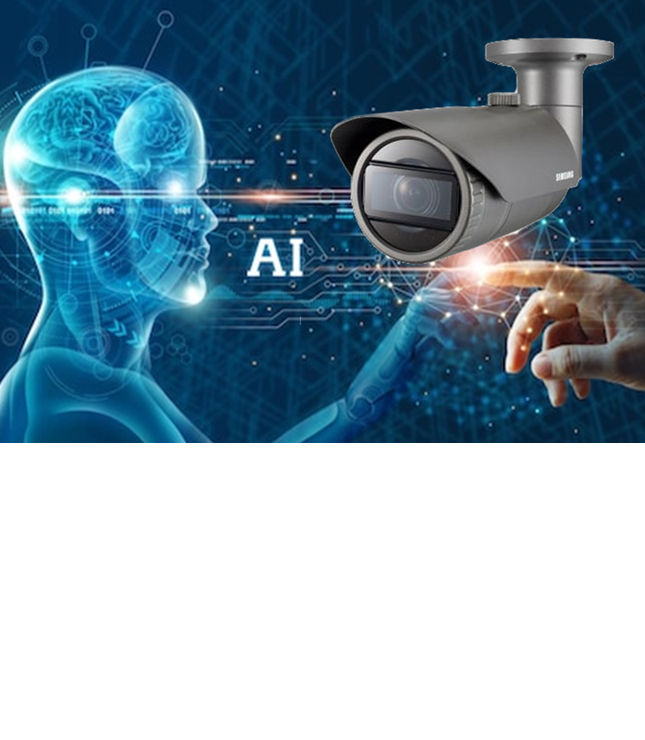
Future of AI CCTV Technology – Innovations & Career Opportunities
In an era where safety and efficiency are paramount, AI-powered CCTV surveillance is rapidly transforming the security landscape. What was once just a passive video recording tool has now evolved into a smart, responsive, and predictive system—thanks to advancements in Artificial Intelligence (AI), Machine Learning (ML), Edge Computing, and Cloud Technology.
Let’s explore how the future of AI CCTV is shaping up, the key technical improvements ahead, and the promising career opportunities this growing field offers.
The Evolution of CCTV with AI
Traditional CCTV systems were dependent on human monitoring and post-incident reviews. AI has brought automation and intelligence into the mix, enabling cameras to detect threats in real-time, understand patterns, and even predict risks before they occur.
Key Features Enabled by AI:
Upcoming Technical Advancements in AI CCTV
The future of AI-enabled CCTV technology is not just about smarter cameras—it’s about integrated systems that think, adapt, and respond. Here's what’s coming next:
1. Edge AI for Real-Time Processing
2. 5G & IoT Integration
3. Self-Learning Systems
4. AI-Driven Decision-Making
5. Privacy-Aware AI
Career Scopes in AI CCTV & Surveillance Technology
With this industry booming, there is a wide range of high-demand career opportunities opening up: Technical Roles:
Security & Analysis Roles:
Research & Data Science:
Sales, Management & Consultancy:
Industries Driving the Demand
Market Growth Forecast
According to market research, the AI in video surveillance market is projected to reach USD 1104 billion by 2030, with a CAGR of over 35%. This means strong demand for both technology providers and skilled professionals in this domain.
Conclusion
The future of AI CCTV technology is not just about smarter cameras—it’s about building intelligent ecosystems that redefine public safety, business intelligence, and data-driven decision-making. For tech enthusiasts, engineers, data scientists, and even entrepreneurs, the field offers exciting and meaningful opportunities.
If you're looking to step into a high-impact industry where innovation meets purpose, AI-powered CCTV is a field worth exploring.